A natural boost for reproductive health
Fertility is a topic of growing importance for many individuals and couples today. With increasing awareness around natural health and wellness, more people are turning to alternative remedies to support reproductive health. Among the most promising natural aids is saffron, a precious spice known not only for its culinary value but also for its potent health benefits. Emerging research highlights saffron’s potential in enhancing fertility, especially through standardized extracts like SAFFR’ACTIV®.
SAFFR’ACTIV® is a scientifically backed saffron extract that demonstrates significant benefits for women’s health, including menstrual comfort, libido stimulation, and emotional well-being—all of which are crucial components of fertility.
Understanding saffron and its bioactive compounds
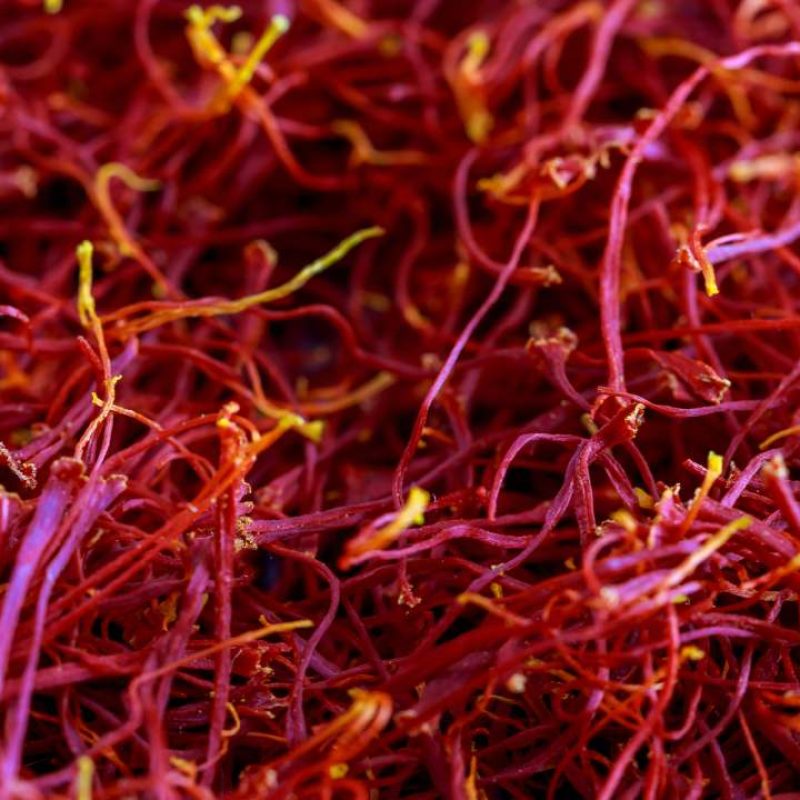
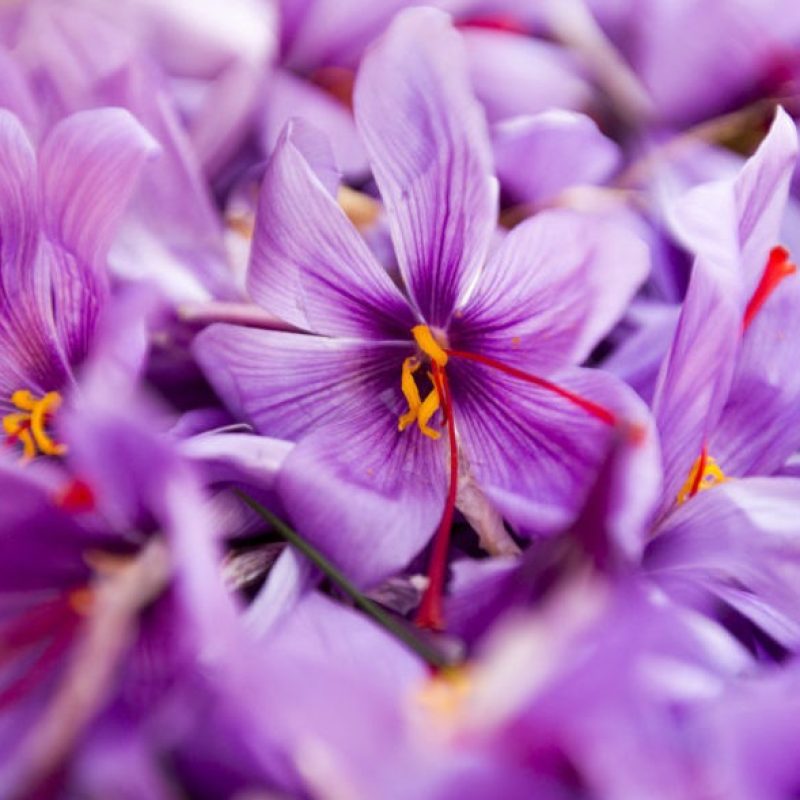
Saffron is derived from the flower Crocus sativus, and its deep orange-red stigmas are harvested and dried to produce the spice. It contains powerful bioactive compounds, primarily crocins and safranal, which are responsible for its therapeutic properties.
SAFFR’ACTIV® is a premium saffron extract standardized to contain more than 3% crocins and 2% safranal. These concentrations are confirmed through reliable HPLC and UV testing methods, ensuring consistency and efficacy in every dose.
How saffron supports female fertility
Hormonal balance and menstrual regulation
Hormonal fluctuations are a natural part of a woman’s reproductive life. However, imbalances can negatively affect fertility. Saffron has been shown to help regulate menstrual cycles and alleviate symptoms of PMS, which contributes to a more stable hormonal environment conducive to conception. Clinical trials confirm the efficacy of 30 mg/day saffron extract in reducing PMS symptoms (Agha-Hosseini et al., 2008; Rajabi et al., 2020).
Emotional well-being and mental health
Stress and emotional health play a critical role in fertility. Chronic stress can disrupt hormonal balance and ovulation. The bioactive compounds in saffron, especially crocins and safranal, have been linked to mood enhancement and reduced anxiety, supporting a healthier mental state for conception. Studies on overweightwomen show that 30 mg of saffron extract improves mood ( Akhondzadeh et al. 2020).
Libido stimulation
Low libido can be a barrier to natural conception. Saffron has demonstrated aphrodisiac properties that help stimulate sexual desire, further enhancing the chances of pregnancy. Animal and human studies attribute this effect to crocins and antioxidant properties, resembling mechanisms similar to Sildenafil (Hosseinzadeh et al., 2008; Al-Rehaily et al. 2015).
Clinical evidence behind saffron’s fertility benefits
Several clinical studies support the effectiveness of saffron in promoting reproductive health. The extract has been clinically proven to positively influence factors that affect fertility, including menstrual comfort and mental wellness. Moreover, in men, 50–60 mg of saffron improved sperm motility (Asr Badr et al., 2017), although some trials showed no significant effect (Safarinejad et al., 2011).
How to use saffron for fertility
Recommended forms
Saffron can be consumed in various forms, but for fertility purposes, standardized extracts like SAFFR’ACTIV® are the most effective. These ingredients provide consistent dosages of the active compounds.
Suggested dosages and frequency
Clinical studies typically use 30 mg/day of saffron extract. It is recommended to follow product-specific guidelines or consult a healthcare provider to determine the right dosage for individual needs.
Safety profile
One of saffron’s major advantages is its excellent safety profile. SAFFR’ACTIV® is 100% pure, with full traceability control, and has shown no adverse effects or addictive properties in studies. However, it is not recommended for pregnant women.
Is saffron good for fertility? What the science says
Scientific evidence increasingly supports saffron’s positive effects on fertility. From regulating menstrual cycles to improving emotional well-being and libido, saffron tackles multiple fertility-related issues simultaneously.
Choosing the right saffron supplement
Why choose SAFFR’ACTIV®?
Not all saffron ingredients are created equal. SAFFR’ACTIV® stands out due to its high purity, standardized bioactive compounds, and clinical backing. With over 3% crocins and 2% safranal, it offers consistent therapeutic benefits. Moreover, its production includes rigorous quality controls and safety assurances.
Quality and transparency
SAFFR’ACTIV® provides full traceability and is free from any additives or contaminants. This level of quality assurance is crucial when selecting an ingredient intended for such a sensitive purpose as fertility.
Saffron, particularly in its standardized form SAFFR’ACTIV®, offers a compelling natural alternative for those seeking to enhance fertility. With clinically supported benefits including hormonal regulation, mood enhancement, and libido stimulation, saffron addresses key aspects of reproductive health. Safe, effective, and backed by science, it is a valuable addition to any fertility-focused wellness routine.
FAQs
Can saffron help with ovulation?
Yes, by promoting hormonal balance and reducing stress, saffron can indirectly support ovulation.
How long does it take for saffron to impact fertility?
Results vary, but clinical studies suggest noticeable improvements in hormonal and emotional well-being within a few weeks of consistent use.
Is saffron safe to take during pregnancy?
Saffron is not recommended during pregnancy and lactating.
What makes SAFFR’ACTIV® different from other saffron extracts?
SAFFR’ACTIV® is standardized for high levels of active compounds, clinically tested, and offers complete traceability, making it a superior choice for fertility support.
References
- Agha-Hosseini et al., 2008. Crocus sativus L. (saffron) in the treatment of premenstrual syndrome: a double-blind, randomised and placebo-controlled trial. BJOG Int. J. Obstet. Gynaecol. https://doi.org/10.1111/j.1471-0528.2007.01652.x
- Akhondzadeh, S., Mostafavi, S., Keshavarz, S.A., Mohammadi, M.R., Hosseini, S., Eshraghian, M.R., 2020. A placebo controlled randomized clinical trial of Crocus sativus L. (saffron) on depression and food craving among overweight women with mild to moderate depression. J. Clin. Pharm. Ther. 45, 134–143. https://doi.org/10.1111/jcpt.13040
- Al-Rehaily, A.J., Alhowiriny, T.A., Tahir, K.E.E., Al-Taweel, A.M., Perveen, S., 2015. Molecular mechanisms that underlie the sexual stimulant actions of Avicennia marina (Forssk.) Vierh. and Crocus sativus L. Pak J Pharm Sci.
- Asr Badr et al., 2017. The Effect of Saffron on Semen Analysis in Infertile Men with Clinical Varicocele After Varicocelectomy. Nephro-Urol. Mon. https://doi.org/10.5812/numonthly.59939
- Hosseinzadeh et al., 2008. The effect of saffron, Crocus sativus stigma, extract and its constituents, safranal and crocin on sexual behaviors in normal male rats. Phytomedicine https://doi.org/10.1016/j.phymed.2007.09.020
- Rajabi et al., 2020. Saffron for the Management of Premenstrual Dysphoric Disorder: A Randomized Controlled Trial. Adv. Biomed. Res. https://doi.org/10.4103/abr.abr_49_20
- Safarinejad et al., 2011. A prospective double-blind randomized placebo-controlled study of the effect of saffron (Crocus sativus Linn.) on semen parameters and seminal plasma antioxidant capacity in infertile men with idiopathic oligoasthenoteratozoospermia. Phytother. Res. https://doi.org/10.1002/ptr.3294