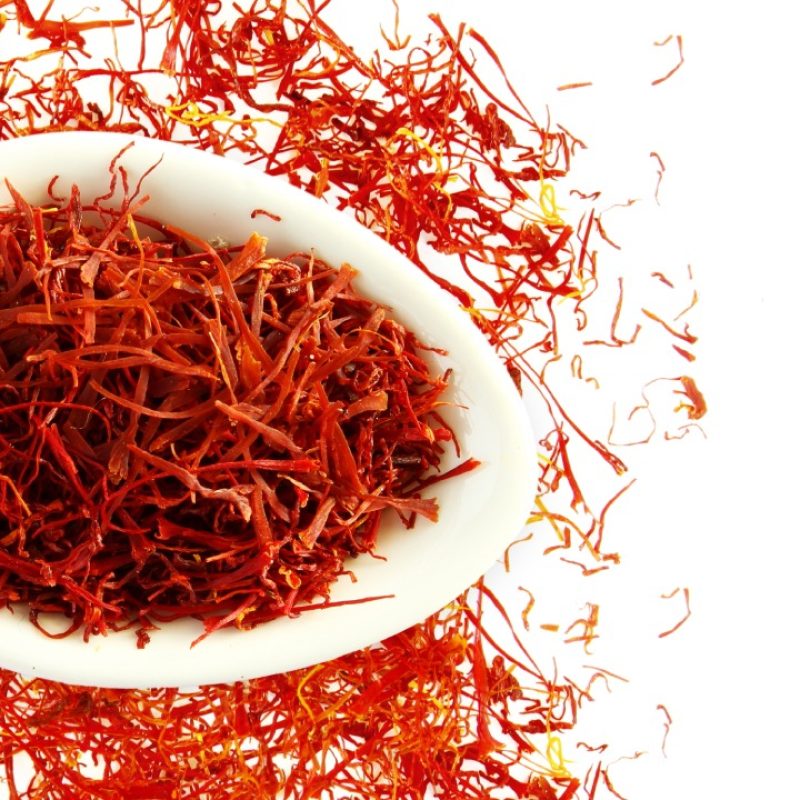
In today’s world of constant cognitive demand and digital overload, maintaining optimal brain health is a rising concern for many. The global interest in nootropic supplements, compounds that may enhance mental performance, has led to the popularity of various natural extracts. Among these, saffron extract has emerged as a compelling option, backed by a growing body of scientific support. Derived from the Crocus sativus flower, saffron is not only a culinary spice but a powerful ally in cognitive wellness.
Saffron extract contributes to brain health, as supported by both clinical and preclinical research, and its comparison to other leading brain supplements. If you’re seeking a supplement backed by evidence and safety, SAFFR’ACTIV® by Green Plants Extracts offers a premium-grade saffron extract ideal for formulating cognitive support products.
Why consider supplements for brain health?
The human brain is an extraordinarily complex organ that depends on a precise balance of nutrients, hormones, and cellular communication. While a healthy diet, regular exercise, and sufficient sleep form the foundation of cognitive wellness, there are times when targeted supplementation can help fill nutritional gaps or provide additional support — particularly in aging populations and under chronic stress.
The concept of “brain health” encompasses several essential functions, including memory, focus, mood regulation, and protection against age-related cognitive decline. As these concerns become increasingly common, consumers are turning to natural, science-backed solutions. Not all supplements meet these standards, but saffron extract is rapidly gaining recognition for its multifaceted, evidence-supported benefits in promoting cognitive function and emotional balance.
Saffron (Crocus sativus) as a neuroprotective supplement
Saffron contains several bioactive compounds with neuroprotective potential. Crocins, a water-soluble carotenoid glycoside, is recognized for its antioxidant properties and its conversion to crocetin in the gastrointestinal tract, which can cross the blood-brain barrier. Crocetin has been shown to influence cellular processes related to neuroprotection. Safranal, a volatile oil, is recognized for its potential mood-enhancing and neuroregulatory properties.
The mechanisms by which saffron may support cognitive health are diverse. Its antioxidant activity helps reduce oxidative stress, a key factor in neuronal damage and the aging process. By modulating the activity of enzymes such as superoxide dismutase and glutathione peroxidase, saffron helps maintain cellular integrity. Furthermore, it modulates inflammatory pathways by reducing pro-inflammatory cytokines, such as interleukin-1β and tumor necrosis factor-alpha, thereby mitigating neuroinflammation.
Additionally, saffron has been shown to modulate key neurotransmitters, including serotonin, dopamine, and norepinephrine, which are crucial for regulating mood, motivation, and cognitive function. Its emerging influence on the gut–brain axis, though still under investigation, suggests a broader systemic effect that may further support mental well-being.
Preclinical research consistently demonstrates that saffron can enhance memory and learning in animal models, protect neurons from oxidative and inflammatory damage, and promote neuroplasticity. These findings provide a strong foundation for continued clinical exploration.
Human trials and systematic reviews also highlight saffron’s therapeutic potential. Recently, a 2024 study reaffirmed saffron’s neuroprotective promise and emphasized its favorable safety profile1. While these results are encouraging, most available trials involve relatively small sample sizes and short durations, underscoring the need for larger, long-term studies.
Safety and dosage considerations: Saffron is generally well tolerated at recommended doses, typically 20–30 mg per day of a standardized extract. Reported side effects are rare and mild, including nausea, dry mouth, or headache. However, doses exceeding 300 mg may be toxic and should be avoided. Individuals taking antidepressant or antihypertensive medications, as well as pregnant women, should seek professional medical advice before supplementation. Because saffron extract quality can vary widely, it’s essential to select ingredients that are rigorously tested and standardized, such as SAFFR’ACTIV®.
How to choose and use brain health supplements
Selecting an effective brain health supplement requires careful consideration of several key factors. The most reliable products use standardized extracts with clearly labeled concentrations of active compounds. Third-party testing guarantees that supplements are free from contaminants and accurately contain the ingredients they claim to include. Transparency in sourcing, manufacturing practices, and clinical validation should be a non-negotiable criterion for all products.
For saffron, a daily dose of 20 to 30 mg of extract standardized to safranal or crocins content is effective in clinical studies.
It is also important to remember that supplements should complement, not replace, foundational lifestyle habits. A Mediterranean-style diet rich in polyphenols and healthy fats, combined with regular physical activity, restorative sleep, and cognitive training exercises, provides a strong foundation for mental health. When used in this context, supplements may enhance and sustain cognitive performance over time.
Frequently asked questions
Is saffron safe to take daily?
Yes, at recommended doses, saffron is considered safe for most people.
Who should avoid saffron supplements?
Pregnant women and people on certain medications should consult a healthcare provider first.
What is the correct dose?
The recommended dose of standardized saffron extract is between 20 and 30 mg per day.
Can I combine saffron with other supplements?
Saffron can be combined with other supplements, but it’s important to check for possible interactions and consult a doctor before doing so.
How long until I see results?
Benefits may appear within 4–8 weeks.
References
1Sahar Golpour- Hamedani, Makan Pourmasoumi, Sudiyeh Hejri Zarifi, Gholamreza Askari, Tannaz Jamialahmadi, Mohammad Bagherniya, Amirhossein Sahebkar. Therapeutic effects of saffron and its components on neurodegenerative diseases. Heliyon. Volume 10, Issue 2, 2024. e24334. ISSN 2405-8440, https://doi.org/10.1016/j.heliyon.2024.e24334.